Medication is supposed to make life easier. Sometimes, though, keeping track of it becomes its own job. A dose that worked six months ago may not feel right today. Another prescription gets added, or a side effect starts showing up.
CDC data show that 64.8% of U.S. adults took prescription medication in 2021, and about 36% were taking three or more prescriptions. Regular review matters.
Medication management Scottsdale care focuses on more than refilling a bottle. It gives patients and providers a chance to see whether the current treatment plan still fits everyday life.
One of the biggest benefits of medication management is that someone is looking at the whole picture instead of one prescription at a time.
A patient may say an antidepressant “stopped working.” The bigger issue may be poor sleep, another medication, or troublesome side effects.
Regular reviews can also reduce the risk of drug interactions, especially for people taking multiple medications, supplements, or over-the-counter products. An updated medication list makes those conversations easier.
Medication adherence can also slip when a routine is confusing or a medication causes unwanted effects. In medication management Scottsdale, providers look at those real-life problems rather than blaming the patient.
The goal is not more medication. It is safer, more useful medication therapy. That kind of check-in can prevent small medication issues from becoming larger frustrations.
You do not need to be taking five prescriptions to benefit from a medication review.
It can help someone starting a new medication, adjusting a dose, or noticing symptoms returning. It can also help people who have taken the same prescription drug for years without reviewing whether it still fits.
People managing depression, anxiety, OCD, or another mental health condition may find regular check-ins useful when medication is part of broader care. It can also help patients who see more than one provider.
For people considering medication management Scottsdale services, a review can answer a simple question: Is the current plan doing enough?
A good medication appointment starts with specifics.
Bring a complete medication list, including the dose, when you take it, vitamins, supplements, and anything purchased over the counter. If another doctor recently prescribed something, mention that too.
Then describe what you are noticing in ordinary language. “I feel strange” is a start, but “I feel groggy until lunch” or “my anxiety is better, but I wake up three times a night” gives the provider much more to work with.
How are medications effectively managed over time? Usually through follow-up, not guesswork. A clinician may review symptoms, side effects, medication adherence, health changes, and whether the benefit of medications still outweighs the drawbacks. The medication regimen may stay the same, or it may need an adjustment.
Patients should not stop, double, or change a prescription on their own unless their prescribing clinician has provided instructions.
Medication management Scottsdale care can help when treatment starts to feel messy, stalled, or harder to follow than it should be. A good visit should leave room for questions, not just another refill.
Scottsdale TMS offers psychiatric medication management with licensed medical providers who review medication response, side effects, and treatment goals. That can help patients who want to stay on track, as well as those who feel their current approach is falling short.
Medication is not the only option. Scottsdale TMS also offers TMS treatment, a noninvasive therapy that uses magnetic pulses to stimulate brain areas involved in mood regulation. For some people with treatment-resistant conditions, TMS treatment may be discussed alongside medication or after previous approaches have not provided enough relief.
If the current plan feels unclear, schedule an appointment and bring your medication list. Sometimes the most useful starting point is simply asking, “Does this treatment still make sense for me?”
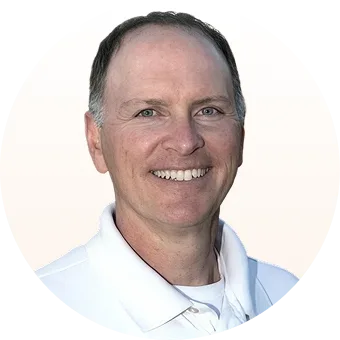
Dr. Vines has practiced psychiatry in Arizona for for over 25 years and has experience working with diverse populations that include children, adolescents, adults, geriatrics, SMI patients, and the chemically dependent.
August 31, 2026