Picture driving two hours each way for a 20-minute medication check. For plenty of people in the Southwest, that’s not a hypothetical. Federal data compiled by KFF shows Arizona’s mental health shortage areas meet only about 10% of the need for providers. Telepsychiatry Arizona residents can use from their living rooms is closing part of that gap, one video visit at a time.
Telepsychiatry is psychiatric care delivered over secure video or phone. You talk with a licensed psychiatrist; they evaluate your symptoms, and together you build a plan. The only real difference is location. You might be at home or in your car on a lunch break, while the clinician is somewhere else entirely.
If you’ve searched what is telepsychiatry, you’ve probably noticed it goes by several names: telehealth psychiatry, telemedicine in psychiatry, virtual visits. They all describe the same idea. A telehealth psychiatrist holds the same license and training as one in a downtown office. Only the exam room changed.
Most telepsychiatry services cover a core set of care, services including diagnosis, follow-up visits, and medication management. Some practices also coordinate with therapists and primary care doctors so nothing slips through the cracks.
So how does online psychiatry work, exactly? Fairly simply. You book a visit, fill out intake forms, and get a link to a secure video platform. You need a phone, tablet, or computer with a camera, a private spot, and a decent connection.
The first session runs longer than the rest. Expect questions about your symptoms, sleep, history, family background, and anything you’re already taking. The psychiatrist may ask you to complete a short screening questionnaire. By the end, you’ll usually have a working diagnosis and a treatment plan.
Can they prescribe medication without meeting you in a room? Generally, yes. Prescriptions go electronically to your pharmacy, though rules for controlled substances vary by clinician and current regulations. Follow-up visits are shorter. They focus on how you’re responding, any side effects, and whether your dose needs adjusting.
For most patients, research points to yes. Studies comparing video visits with office visits have generally found similar outcomes for depression, anxiety, and PTSD, along with comparable patient satisfaction. Psychiatry leans on conversation and observation, and that translates to video far better than a physical exam would.
That’s why many clinicians describe virtual visits as effective as in person care for a wide range of mental health conditions. The quality of care depends less on the screen and more on the provider: how thorough the evaluation is, how well they listen, and whether follow-up actually happens.
There are limits. Someone in acute crisis, or whose condition needs hands-on monitoring, may need person-to-person care at a higher level. Telepsychiatry isn’t the right health service for every situation, and a good practice will say so up front instead of stretching video to fit. Some patients also choose a hybrid approach, mixing video check-ins with occasional in-person visits.
The list is longer than most people expect. Anxiety disorders, depression, bipolar disorder, ADHD, OCD, and trauma-related conditions are all routinely managed through virtual psychiatric care. Many online psychiatrists also help patients dealing with substance abuse alongside a mental health diagnosis, since the two often travel together.
Medication management is the most common reason people sign up. Say you’ve been on the same antidepressant for years and it’s stopped working. A video visit can review your history, adjust the plan, and get a new prescription to your pharmacy without costing you half a day off work.
Other psychiatric services include diagnostic evaluations, second opinions, and regular check-ins to track progress. For someone with treatment-resistant depression, a psychiatrist can also talk through next steps, which may include a referral for in-person treatment such as TMS.
Start with geography. Arizona is huge, and much of it is open desert. Residents in remote areas, from tribal communities to small ranching towns, can be hours from the nearest psychiatrist. Video removes that drive entirely.
Then there’s everyone else: the shift worker who can only book early or late, the parent juggling school pickups, the person with social anxiety who dreads a waiting room. For them, online psychiatric care Arizona providers offer is less a convenience than the thing that makes treatment possible. One caveat: the clinician generally needs to be licensed in the state where you’re sitting during the visit.
Cost plays a part too. Skipping the commute saves gas and lost wages, and many insurers now cover telehealth services. Call your plan to confirm what’s included.
Scottsdale TMS works with Arizonans who want mental health care that fits real life. If you’re weighing telepsychiatry Arizona options, or wondering whether a virtual visit suits what you’re facing, the team can walk you through next steps and answer questions before you commit to anything.
Mental health issues rarely wait for a convenient moment. Your first appointment shouldn’t have to either. Reach out to Scottsdale TMS and talk with people who know this state, its distances, and the folks living in it.
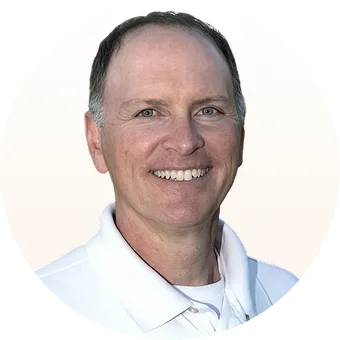
Dr. Vines has practiced psychiatry in Arizona for for over 25 years and has experience working with diverse populations that include children, adolescents, adults, geriatrics, SMI patients, and the chemically dependent.
September 16, 2026