In 2024, 61.5 million American adults lived with a mental illness. That’s more than one in five of the people you pass at the grocery store, the gym, or the office.
Getting treated is a different story. Between the phone calls, the referrals, and the waiting, plenty of people give up before they begin. A psychiatric nurse practitioner Scottsdale residents can see is one way through that maze, and it helps to know what the role actually involves.
Picture a nurse who went well beyond the bedside. Psychiatric nurse practitioners start as registered nurses, then spend years in graduate study learning to assess, diagnose, and treat mental health issues. The specialty is called psychiatric mental health nursing, and the clinicians who practice it carry the title PMHNP. They belong to a larger group known as advanced practice registered nurses (APRNs), which also includes nurse midwives and nurse anesthetists.
Day to day, a nurse practitioner in mental health handles much of what you’d expect from a psychiatric office. They run diagnostic evaluations, build treatment plans, and follow up as symptoms change. Depression, anxiety, ADHD, bipolar disorder, PTSD, and substance use disorders all fall within their range. Plenty of patients simply call them an NP for psychiatry, and that works just fine.
The role exists for a practical reason. There aren’t enough psychiatrists to go around, so PMHNPs fill the gap in private practices, hospitals, telehealth, and mental health clinics alike.
Yes, and in Arizona they do it without a physician looking over their shoulder. The state grants full practice authority to nurse practitioners, meaning they can evaluate patients, diagnose conditions, and manage treatment under the licensing authority of the state board of nursing. That includes prescribing, controlled substances among them, once the board approves prescriptive authority.
So what does medication management look like in practice? Mostly, it’s a conversation. Your NP starts a medication, watches how you respond, adjusts the dose, and switches course if the side effects outweigh the benefit. Antidepressants, mood stabilizers, anti-anxiety medications, and ADHD treatments are all on the table.
Controlled substances matter for conditions like ADHD, where some of the most common treatments are tightly regulated. In Arizona, a psychiatric NP registered with the state’s prescription monitoring program can handle that prescribing directly, so patients don’t have to bounce between providers.
The scope of practice isn’t limitless, of course. A good PMHNP knows when a case calls for a second opinion and will refer out for medical complications or treatments beyond their training.
The short answer is the training path. A psychiatrist is a physician who completes medical school, then a residency in psychiatry, and holds an MD or DO. A psychiatric NP comes up through nursing instead, finishing graduate-level study rather than medical school.
In daily care, the gap shrinks. Both can diagnose, both can prescribe, and both can treat the same conditions. Psychiatrists are often brought in for the most medically complex cases, such as severe illness tangled up with other health problems. NPs, meanwhile, are known for a strong emphasis on whole-person care and patient education.
So which one is better? Wrong question. Plenty of people see an NP for years and never need anyone else. Others do best in a practice that uses both, with an NP handling regular visits and a psychiatrist available for the harder calls.
The road is long. It starts with a Bachelor of Science in Nursing and a license as a registered nurse (RN). After some clinical experience, nurses move on to graduate school and earn either a Master of Science in Nursing or a Doctor of Nursing Practice. Most PMHNP programs center on psychiatric and mental health coursework in pharmacology, psychotherapy, and diagnostic assessment, and programs require hundreds of supervised clinical hours before graduation.
Then comes certification. Graduates sit for a national exam through the American Nurses Credentialing Center (ANCC), which awards the PMHNP-BC credential. Arizona licenses them as APRNs, and a separate step grants prescribing authority.
All of that education and training is why treatment decisions are usually evidence-based rather than guesswork.
Typing psychiatric nurse practitioner near me into a search bar returns plenty of options, and not all of them will fit. Start with the basics. Confirm the provider holds an active Arizona APRN license and national certification, ask whether they treat your specific concern, and check that they take your insurance. Then ask the less obvious question: what happens if medication alone isn’t enough?
Telehealth widens the field, too. Many psychiatric NPs offer virtual visits for follow-ups and medication checks, which can save a drive across the Valley on a hard day.
That’s where Scottsdale TMS comes in. Transcranial magnetic stimulation (TMS) is a noninvasive treatment that uses magnetic pulses to stimulate brain regions tied to mood, and it’s a recognized option for depression that hasn’t improved with medication. Scottsdale TMS exists for exactly that moment, when the first prescription didn’t deliver, and you’re still looking for relief.
Whether you begin with a psychiatric nurse practitioner Scottsdale offers, a psychiatrist, or a TMS consultation, the best first appointment is the one you actually book. Reach out to Scottsdale TMS to learn what your options look like.
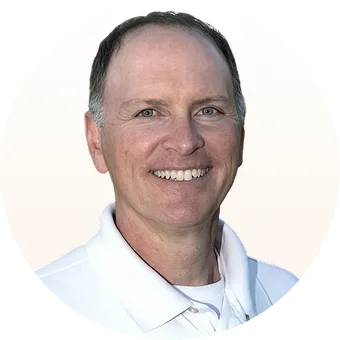
Dr. Vines has practiced psychiatry in Arizona for for over 25 years and has experience working with diverse populations that include children, adolescents, adults, geriatrics, SMI patients, and the chemically dependent.
September 21, 2026