The early twenties are supposed to be a launch point: college, a first career, a place of your own. For many, they’re also when mental health problems peak. About 36.2% of young adults ages 18 to 25 lived with a mental illness in 2022, a higher share than any other adult age group. When standard treatment doesn’t work, young adult psychiatry Arizona providers can now offer newer options, including Spravato (esketamine).
A psychiatric evaluation comes first, and it feels more like a conversation than a checklist. The psychiatrist asks about sleep, appetite, focus, substance use, and family history, and about what an ordinary Tuesday looks like. The goal is a diagnosis that fits the person, not just the symptoms.
From there, young adult psychiatric treatment can go in several directions. Some people do well with medication management and regular check-ins. Others add therapy, or step up to an intensive outpatient program that offers several sessions a week while they continue living at home. When symptoms are severe, residential treatment in a structured residential program provides round-the-clock support.
What sets psychiatric care in Arizona apart for this age group? Mostly, timing. A 22-year-old may be juggling classes, a job, and independence for the first time, and a good psychiatrist for young adults builds the plan around that.
Everyone has rough weeks. A pattern is different. Low mood, constant worry, or irritability that lasts more than a couple of weeks deserves a professional look, particularly when it’s hurting grades, disrupting sleep, or pushing friends away.
Trouble with emotional regulation is another sign. That might mean outbursts that feel out of proportion, or numbness where feelings used to be. Depression and anxiety often occur together at this age, and each can mask the other. Parents sometimes notice a change first, a withdrawn son or daughter at the dinner table, long before the young adult says anything. Young adult behavioral health specialists see this pattern often.
Waiting rarely helps. Untreated mental health conditions tend to settle in and shape how someone handles work, relationships, and money for years. Early mental health support and quality young adult mental health care can change that course.
Spravato is a nasal spray made from esketamine, a close relative of ketamine. The FDA approved it in 2019 for adults whose depression hasn’t improved with other medications. Most antidepressants act on serotonin and related brain chemicals. Esketamine targets glutamate, a different messaging system, which may explain why it can help people who’ve run out of options, and why it often works faster.
The setting matters. Spravato is given only in a certified clinic. Patients self-administer the spray while a clinician watches, then stay for at least two hours of monitoring. Dizziness, nausea, and a floaty, detached feeling are common, and blood pressure can rise. Patients can’t drive afterward. The earliest is the next day, following a full night’s sleep.
Sessions usually run twice a week for the first month, then taper to weekly or every other week. Spravato is typically prescribed with an oral antidepressant, though since early 2025 it can also be used on its own.
Adults 18 and older who’ve tried at least two antidepressants without enough relief are the classic fit, a situation doctors call treatment-resistant depression. Spravato is also approved for adults with major depression who are having acute suicidal thoughts, alongside other care.
It isn’t right for everyone. A history of brain bleeds, certain blood vessel problems, or uncontrolled high blood pressure can rule it out, which is why screening comes before the first dose.
Then there’s the long-term picture. Spravato rarely works as a standalone fix. The strongest results come from a broader plan that includes therapy, ongoing medication management, and regular check-ins that catch problems early. Some patients also join a program for young adults with built-in peer support, or move into other adult mental health treatment options as their needs change.
Scottsdale TMS offers Spravato (esketamine) to adults with treatment-resistant depression, and a clinical team supervises every session. For young adults ages 18 and up, care begins with a thorough psychiatric evaluation and moves into a plan built around school, work, and real life rather than a template.
The clinic’s mix of mental health services and behavioral health expertise lets treatment adjust as needs change. If you’re comparing health services and still have questions, asking them is a good first step.
Whether you’re exploring young adult psychiatry Arizona options for yourself or someone you love, one conversation can clarify what comes next.
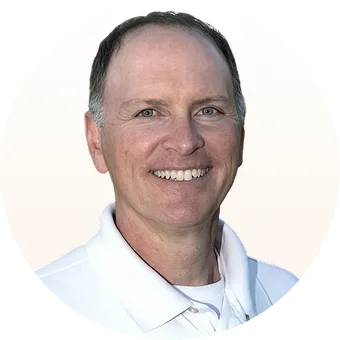
Dr. Vines has practiced psychiatry in Arizona for for over 25 years and has experience working with diverse populations that include children, adolescents, adults, geriatrics, SMI patients, and the chemically dependent.
September 25, 2026