About 19.1% of U.S. adults had an anxiety disorder in the past year, and 31.1% will face one at some point in their lives, according to the National Institute of Mental Health. Those numbers explain why so many Arizonans end up searching for anxiety treatment Scottsdale providers can offer. The hard part is rarely admitting something feels off. It is knowing what you are dealing with and which kind of help fits. This guide covers what anxiety is, the forms it takes, how it shows up in the body, and where to find care that works.
Anxiety is the body’s alarm system. A little of it keeps you sharp before a presentation or a long drive on the 101. It becomes a problem when the alarm keeps ringing with no real danger in sight. People with anxiety disorders often describe feelings of anxiety that are out of proportion to the situation, hard to switch off, and disruptive to work, sleep, and relationships.
Feeling anxious now and then is normal. A disorder looks different: the intense fear or worry lasts for months and interferes with daily life. Anxiety can also stem from another medical condition, such as a thyroid problem, which is why anxiety treatment Scottsdale clinicians offer should begin with a thorough evaluation rather than a quick guess.
Anxiety is not one condition. The main types of anxiety include:
Many people fit more than one category, and anxiety often overlaps with depression. When comparing anxiety treatment Scottsdale options, ask which of these types a provider actually treats.
Anxiety lives in the body as much as the mind. Common physical symptoms include:
Because these signs overlap with heart, thyroid, and breathing problems, rule out a medical cause first. Shortness of breath should never be dismissed as nerves without a check-up. Then look at the pattern. Symptoms that flare around certain worries, or that leave you dreading the next episode, usually point back to anxiety. Anxiety treatment Scottsdale specialists provide can then treat anxiety in both the body and the mind.
Anxiety responds well to care, and the best treatment plan is built around the person rather than the diagnosis. In anxiety treatment Scottsdale programs, common options include:
Option | What it does | Good to know |
Helps you spot and reframe anxious thoughts | One of the most studied talking therapies | |
Exposure therapy | Gradually faces feared situations | Often used for phobias and social anxiety |
Medication | Eases symptoms by balancing brain chemistry | Side effects vary, so doses get adjusted |
Lifestyle changes | Better sleep, exercise, less caffeine | Works best as an add-on |
Medication helps many people, but side effects or partial relief send some looking for more. For long term progress, mental health professionals often blend approaches and revisit the plan as symptoms change. The anxiety treatment Scottsdale patients receive should feel just as flexible. Some adults who have not found enough relief from medication or therapy also explore transcranial magnetic stimulation (TMS), a non-invasive option.
Choosing a provider gets easier with a few questions in hand. Local context matters: a clinic that knows Valley life can fit care around schedules. Ask whether they screen for medical causes, whether they offer more than one kind of care, and how they track progress. The right anxiety treatment Scottsdale team will listen before it prescribes, and it will explain every step in plain language.
Scottsdale TMS provides depression, anxiety, and OCD treatment for adults across the Valley. If therapy and medication have not delivered enough relief, the team can review your history and explain which options may fit, including TMS. You do not need to have everything figured out before reaching out. Many people start with an anxiety treatment Scottsdale consultation to ask questions and learn what a plan could look like.
If you are ready to find treatment for anxiety that fits your life, anxiety treatment Scottsdale residents can count on is one call away. Feeling like yourself again is a realistic goal, and the first step is asking for help.
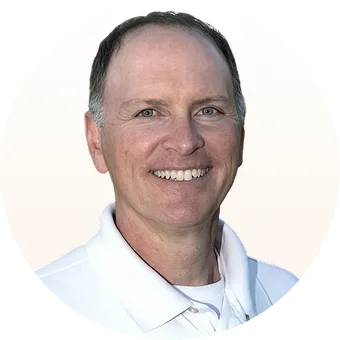
Dr. Vines has practiced psychiatry in Arizona for for over 25 years and has experience working with diverse populations that include children, adolescents, adults, geriatrics, SMI patients, and the chemically dependent.
October 7, 2026