
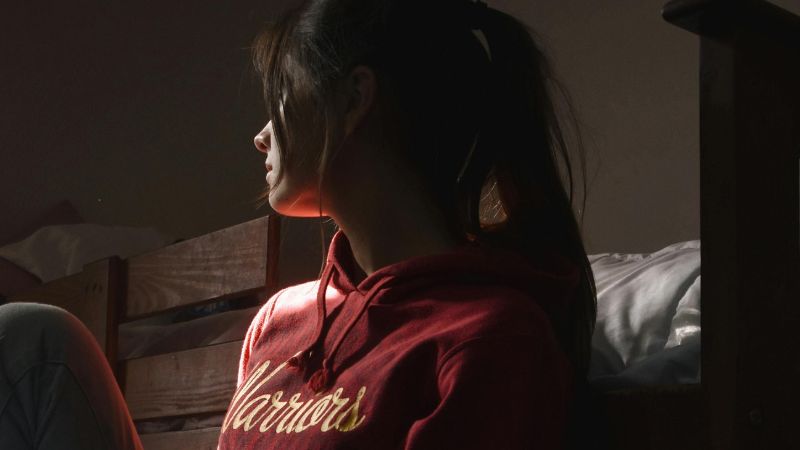
Many people notice their anxiety becomes more noticeable at night. During the day, worries may still be present, but work, errands, and conversations keep your attention moving.
Nighttime is different. Once things slow down, there’s more space for the mind to wander. You lie down expecting to sleep, and suddenly your thoughts are active again. You might replay something that happened earlier or start thinking about tomorrow.
Your body can feel more alert too. In a quiet room, things like breathing or heart rate become easier to notice.
If you’ve ever asked yourself why do I get anxiety at night or why does my anxiety get worse at night, you’re not alone. Night time anxiety is common, even among people who appear calm during the day.
In most cases, there isn’t a single cause. It’s usually a mix of stress, sleep habits, and how the nervous system responds once the day finally becomes quiet.
Why Anxiety Often Feels Worse at Night
During the day your mind stays busy. Even if something is bothering you, your attention keeps shifting.
Night removes that structure.Without distractions, the brain finally has time to process things that were pushed aside earlier. People often start thinking about unfinished tasks or situations they still feel uncertain about.
There is also a biological side to this. The body runs on circadian rhythms that control sleep and alertness. In the evening, stress hormones are supposed to decline so the nervous system can settle down.
But if someone has been under ongoing stress, or dealing with anxiety disorders, that shift can be less predictable. The nervous system may stay activated longer than expected.
When that happens, anxiety worse at night becomes more likely. The mind becomes sensitive to worries and the body stays slightly alert instead of relaxing.
Racing Thoughts at Bedtime
One of the most common complaints people describe is racing thoughts. As soon as they try to fall asleep, their mind speeds up.
Sometimes the thoughts are practical. You remember something you forgot to do. Other times they drift toward worries about the future.
Anxious thoughts tend to jump quickly between topics. It might start with work, then move to finances, then something else entirely.
Another thing that often happens is sleep anxiety. Once you realize you’re still awake, you start worrying about the fact that you aren’t sleeping.
You check the clock. You start thinking about how tired you’ll be tomorrow.
That pressure makes it harder to relax, which keeps the nervous system active. Over time a cycle can develop where anxiety at night leads to poor sleep, and poor sleep makes anxiety worse the following evening.
Night Time Panic Attacks
Some people also experience night time panic attacks. These can wake someone suddenly from sleep.
The symptoms can feel intense. Your heart rate increases quickly. Breathing becomes shallow. Some people feel dizzy or experience a strong sense of fear.
Physically, night time panic attacks involve the same fight-or-flight response that happens during daytime panic attacks. The nervous system releases adrenaline and prepares the body for danger.
Because these episodes happen during sleep, there may not be an obvious explanation for them. That uncertainty can make the experience more unsettling.
After it happens once or twice, people sometimes become anxious at night simply anticipating another episode. That expectation alone can make bedtime stressful.
Why the Body Feels Different at Night
Another reason night time anxiety feels strong has to do with awareness.
During the day, there is so much happening around you that your brain filters out many physical sensations. At night those distractions disappear.
You may start noticing things you normally ignore. Your breathing. Your heartbeat. Small shifts in muscle tension.
These sensations are usually harmless. But when someone already feels anxious, the brain may interpret them as warning signs.
The nervous system responds by becoming more alert, which makes the sensations feel stronger. This can create a feedback loop where anxious thoughts and body sensations reinforce each other.
If you’ve wondered why does my anxiety get worse at night, part of the answer is simply that you’re noticing more.
How Sleep Affects Anxiety
Sleep and mental health are closely connected. When sleep quality declines, the brain becomes more reactive to stress.
Even a few nights of poor sleep can make worries harder to manage. Concentration can drop and emotional reactions may feel stronger.
Over time, repeated poor sleep can keep the nervous system in a more sensitive state. This makes it easier for anxiety worse patterns to appear in the evening.
Night time anxiety sometimes develops gradually this way. What starts as occasional difficulty falling asleep can slowly become a routine experience.
Practical Ways to Calm Anxiety at Night
Reducing anxiety at night usually requires several small adjustments rather than one single change.
Cognitive Behavioral Therapy (CBT) is often used to treat anxiety disorders. It focuses on helping people recognize patterns in anxious thoughts and learn how to respond differently.
Physical relaxation can also help the nervous system slow down. Progressive muscle relaxation is one example. It involves tightening and releasing muscle groups to reduce tension.
Breathing exercises may help regulate heart rate and encourage the body to relax. Many people also benefit from having a consistent routine before bed.
Reducing stimulation late in the evening can help as well. Work emails, stressful news, and emotionally intense conversations can keep the nervous system activated longer than expected.
In some cases medication becomes part of treatment options. A mental health professional can help decide which approach may be most helpful.
When Nighttime Anxiety Continues
Occasional anxiety at night during stressful periods is fairly common. But if the pattern continues for weeks or months, it may signal a broader mental health concern.
Persistent night time anxiety may occur alongside depression, trauma, or chronic stress. When anxiety worse at night begins affecting work, relationships, or daily functioning, professional support may help address the underlying cause.
Where TMS May Fit Into Treatment
For individuals whose anxiety at night is connected to treatment-resistant depression or ongoing anxiety disorders, Transcranial Magnetic Stimulation (TMS) may be considered.
TMS therapy uses targeted magnetic pulses to stimulate areas of the brain involved in mood regulation. At Scottsdale TMS, treatment takes place in an outpatient setting and patients remain awake during sessions.
Many people continue their normal routines while receiving treatment. As mood symptoms improve, night time anxiety often becomes easier to manage.
TMS is not designed specifically to treat sleep anxiety. Instead, it works on the brain systems that influence mood and stress regulation over the long term.
Anxiety at night can feel isolating, especially during the quiet hours when everything slows down. But it is a treatable experience.
If anxiety at night is affecting sleep quality or daily life, Scottsdale TMS offers evidence-based care focused on long-term recovery.