What Does the Research Say?
If you’ve tried antidepressants without results, you’ve probably heard about TMS and wondered whether it actually works. The short answer is that it certainly can, and there’s solid clinical evidence to support it.
TMS (transcranial magnetic stimulation) was cleared by the FDA in 2008 after clinical trials showed it significantly outperformed sham treatment in patients who had not responded to antidepressant medication. Since then, the research has only grown stronger.
This page walks through what the science actually shows: what studies found, how effective TMS is compared to medication, and what long-term outcomes look like.

TMS (transcranial magnetic stimulation) is a non-invasive procedure that uses magnetic pulses to stimulate specific areas of the brain involved in mood regulation. It targets the left dorsolateral prefrontal cortex, which is a region consistently underactive in patients with depression.
Unlike medication, TMS does not circulate through the bloodstream or affect the whole body. Each session lasts 19 to 37 minutes. Patients remain awake and alert throughout, drive themselves to appointments, and return to normal activity immediately afterward.
TMS is used primarily for major depressive disorder in patients who have not responded adequately to at least one antidepressant. It is also FDA-cleared for OCD, smoking cessation, and anxious depression.
The clinical data behind these uses is consistent across multiple large studies.
Key Research Findings

Initial studies supporting FDA clearance in 2008 showed that nearly 50% of patients who had not responded to at least one antidepressant experienced significant symptom improvement, with approximately 33% achieving complete remission.
The FDA cleared TMS in 2008 based on a multicenter, randomized, controlled trial with 325 patients who had not responded to antidepressant treatment. Patients receiving active TMS showed a 30.6% reduction in depression scores, compared to 13.2% for those receiving sham treatment, a statistically significant difference.

A comprehensive meta-analysis published in JAMA Psychiatry reviewed over 29 studies involving more than 1,000 patients and found that TMS produced a 30% to 60% reduction in depression symptoms, even in patients with treatment-resistant depression.
A separate study published in The American Journal of Psychiatry concluded that TMS was nearly twice as effective as antidepressants for some individuals with major depressive disorder, with fewer side effects and longer-lasting relief.
The American Psychiatric Association’s 2021 practice guideline identifies TMS as a Level A evidence-based treatment for major depressive disorder when medication has not worked.

Short-term data show TMS reduces symptoms. But long-term data matters most to patients who want to know whether results last. A durability of effect study followed patients for 12 months after their initial TMS course:
These figures compare favorably with antidepressant maintenance, where relapse rates after stopping medication typically exceed 50% within 12 months.

Beyond depression, TMS is FDA-cleared for OCD, smoking cessation, and anxious depression. Ongoing clinical trials are also investigating TMS for PTSD and chronic pain. The FDA has cleared TMS for three additional indications beyond depression:
Ongoing clinical trials are also investigating TMS for PTSD, chronic pain, and post-stroke cognitive rehabilitation.
Why Choose TMS


TMS is indicated for patients who meet three criteria:
Patients most likely to respond well are those with recurrent depression, at least a partial prior response to medication, and minimal comorbid anxiety. An initial consultation will assess your history and determine whether TMS is appropriate.
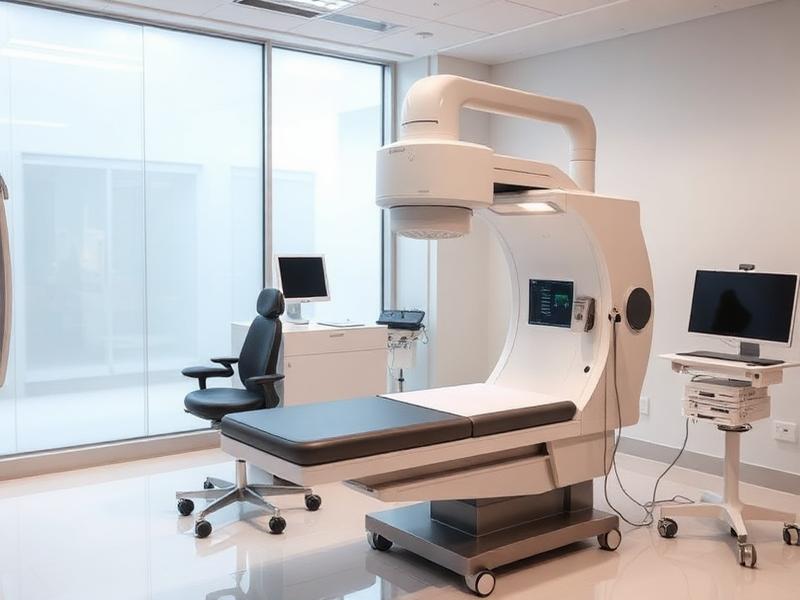
Scottsdale TMS Therapy provides FDA-cleared TMS treatment for major depressive disorder and OCD. The clinical team conducts a full evaluation at your first visit, including a review of your treatment history, to confirm candidacy and design your protocol.
Treatment typically involves 30 to 36 sessions over six to seven weeks. Each session lasts under 40 minutes. Many patients begin noticing changes within the first two to three weeks.
Call (480) 841-9279 to schedule your consultation.
Scottsdale TMS Therapy 7287 E Earll Drive, Suite 1 Scottsdale, AZ 85251 Hours: 8:00 AM to 8:00 PM