One in 16 U.S. adults has a current ADHD diagnosis. That’s about 15.5 million people, and roughly a third of them get no treatment for it.
Being treated doesn’t always mean being well treated, either. Plenty of adults take a medication that was prescribed years ago and hasn’t been reviewed since. The dose made sense in college. It may not fit a 50-hour workweek and two kids. Good ADHD medication management Scottsdale providers catch that kind of drift early.
Most follow-up visits are fairly short. You and your provider talk about how you’ve been sleeping and eating, how your mood has been, and what time the medicine seems to wear off. If you take stimulant medication, expect a blood pressure and heart rate check too.
That’s most of what medication management for ADHD looks like: regular check-ins that add up over time. Some of the most useful information comes from details patients don’t think to mention, like skipping lunch every day or needing a nap by 4 p.m.
Psychiatric medication management also means someone is watching for problems that look like ADHD but aren’t. Common signs of ADHD include losing track of tasks, misplacing things, and feeling restless. Poor sleep, anxiety, and other mental health disorders can cause those same ADHD symptoms, and a stimulant won’t fix them.
For most adults, a stimulant is the first thing providers try to treat ADHD. Common medications include methylphenidate (Ritalin, Concerta) and amphetamine-based drugs (Adderall, Vyvanse). They act fast. Some people notice a difference on the first day.
Non-stimulants are slower. Atomoxetine (Strattera), viloxazine (Qelbree), and extended-release guanfacine can take several weeks to reach full effect. Providers often choose them for people with a heart condition, a history of substance misuse, or anxiety that got worse on a stimulant.
Expect some back-and-forth before you settle on the right mental health medication. Switching once or twice is common, and a good provider will tell you that up front.
Every psychiatric medication has potential side effects, and ADHD drugs are no exception. The usual complaints are a smaller appetite, trouble falling asleep, headaches, irritability, and a rough stretch in the late afternoon when the dose runs out.
Small changes fix most of these. Taking the dose earlier often helps with sleep. A longer-acting version can smooth out the afternoon crash. Trouble tends to start when people adjust on their own, like skipping weekend doses without telling anyone or taking an extra pill before a deadline.
Medication also works better with support. Behavior therapy gives you practical tools for planning and routines, and some people find they need a lower dose once those habits stick. Many providers see the pairing as the most effective treatment for adults.
Adults with ADHD are more likely than others to also live with depression, anxiety, or bipolar disorder. In that case, better focus is only part of the goal. You’re trying to manage mental health as a whole.
A patient might tell their prescriber that work finally feels doable on a stimulant. Deadlines are getting met. Yet they still feel low most mornings and have stopped enjoying things they used to love. Sharper attention didn’t touch the depression.
Good medication management for mental health looks at how everything fits together, including which medicines interact. Stimulants, for example, can trigger mood swings in some people with bipolar disorder, so screening should happen before starting one.
For depression that hasn’t improved after two or more antidepressants, there are other options. Spravato (esketamine) is an FDA-approved nasal spray for treatment-resistant depression, given under supervision at a certified clinic. TMS uses magnetic pulses and involves no medication. Neither one treats ADHD. Still, when severe depression lifts, the rest of your treatment plan usually gets a lot easier to follow.
Searching “ADHD medication management near me” turns up plenty of names. Finding a provider who actually follows up is harder.
Scottsdale TMS offers ADHD medication management Scottsdale residents can rely on over the long run, from reviewing your ADHD diagnosis to adjusting doses as your life changes. Our behavioral health team looks at attention deficit hyperactivity disorder (ADHD) alongside the rest of your mental health, so depression or anxiety doesn’t get pushed aside.
We also offer Spravato and TMS on-site. If depression turns out to be part of the picture, you won’t have to start over with a new health care team that doesn’t know your history.
Call us to set up an evaluation. We’ll start with where things stand for you right now.
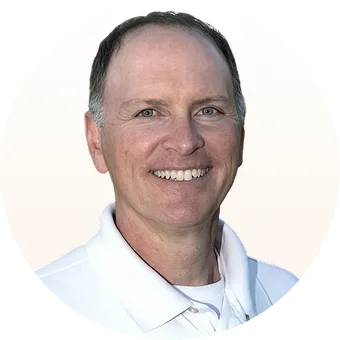
Dr. Vines has practiced psychiatry in Arizona for for over 25 years and has experience working with diverse populations that include children, adolescents, adults, geriatrics, SMI patients, and the chemically dependent.
September 14, 2026