

Depression Treatment Scottsdale AZ | Scottsdale TMS

Gallup’s first-quarter 2026 survey found that 19.1% of U.S. adults currently have depression or are being treated for it. That’s about 51 million people. Maybe you’re one of them, or you’re worried about someone who is. Below, we cover what emotional distress is, how it differs from sadness, who’s most at risk, and how depression treatment Scottsdale AZ adults can help at Scottsdale TMS.

epression treatment Scottsdale AZ: a calm Arizona desert landscape with saguaro cacti and mountains under a colorful sky

What Is Depression?

Depression is a mood disorder that affects how you feel, think, and get through an ordinary day. The most common form is major depressive disorder, also called major depression. Before you can choose the depression treatment Scottsdale AZ providers offer, it helps to know which kind you’re dealing with.

Common types of depression include:

  • Major depressive disorder: a depressive episode of low mood or lost interest lasting at least two weeks
  • Seasonal affective disorder: mood changes tied to the seasons, which can still happen in a sunny city like Scottsdale

Bipolar disorder is a different condition. Once called manic depression, it mixes depressive lows with manic or hypomanic highs, so it’s treated differently. You’ll also hear the term clinical depression, which simply means emotional distress serious enough to need professional care. Plenty of other mental health conditions can mimic depression, which is why only a licensed provider can sort out what you’re facing.

What Are the Signs and Symptoms of Depression?

The signs and symptoms of depression usually include a low or empty mood, a loss of interest in things you used to enjoy, and changes in sleep, appetite, or energy. Doctors typically want to see them most days for at least two weeks.

Common signs of depression:

  • Ongoing sadness, anxiety, or emptiness
  • Loss of interest or pleasure in hobbies and people
  • Changes in appetite or weight
  • Fatigue and trouble concentrating
  • Feelings of worthlessness, hopelessness, or guilt

Symptoms of depression don’t look the same in everyone. If you ever think about harming yourself, call or text the 988 Suicide & Crisis Lifeline right away. And if several of these signs sound familiar, it’s fair to ask what depression treatment Scottsdale AZ providers can do for you.

Depression vs Sadness: How Do You Tell the Difference?

Sadness is a natural reaction to something painful, and it tends to ease as life settles down. Emotional distress sticks around, often without a clear cause, and it spills into your sleep, your job, and your relationships.


Sadness

Depression

Trigger

A clear event, like a loss

May have no clear cause

Length

Hours to days, then it eases

Two weeks or longer

Daily life

You can still function and enjoy moments

Work, sleep, and relationships suffer

Two weeks of that heaviness is a good point to talk with a provider. A first visit for depression treatment Scottsdale AZ clinics offer is just an evaluation, not a commitment.

Who Is Most at Risk for Depression?

Anyone can develop emotional distress, but some risk factors tilt the odds: a family history, long-term stress, trauma, big life changes, and other health problems.

The numbers show real differences. In 2023, Gallup found that 36.7% of U.S. women reported a lifetime depression diagnosis, compared with 20.4% of men. Depression affects the body too. In 2014, an American Heart Association scientific statement reviewed 53 studies and recommended that depression be formally recognized as a risk factor for poor outcomes in people with acute coronary syndrome, a group of heart disease conditions.

Still, across the United States, people with emotional distress come from every background. That’s why depression treatment Scottsdale AZ residents choose should start with your own history, not averages.

How Depression Is Treated: What Are the Main Options?

Depression is treated with talk therapy, medication, brain stimulation, or a blend of them. Your plan depends on how severe your symptoms are and what you’ve already tried.

Main treatment options:

  • Psychotherapy: talk therapy that builds coping skills and works on thought patterns
  • Antidepressant medication: prescription drugs that act on the brain chemicals tied to mood
  • Transcranial magnetic stimulation (TMS): a non-invasive treatment that uses magnetic pulses to stimulate mood-regulating brain areas
  • Spravato (esketamine): an FDA-approved nasal spray for treatment-resistant depression, used with an oral antidepressant under supervision
  • Psychiatric medication management: ongoing prescribing and follow-up to keep a plan working

Treatment-resistant depression means emotional distress that hasn’t improved after several antidepressants. When standard treatment options stall, TMS or Spravato is often what providers bring up next, and depression treatment Scottsdale AZ clinics increasingly offer both. TMS is FDA-cleared for treatment-resistant depression and needs no anesthesia.

What Should You Look for in Depression Treatment Scottsdale AZ?

Four things matter most: licensed providers, insurance acceptance, evidence-based options, and short waits. Together, they decide how quickly depression treatment Scottsdale AZ patients can start and what it costs.

A strong clinic should offer:

  • A licensed team that includes psychiatrists, nurse practitioners, and counselors
  • In-network insurance, plus help with prior authorization
  • Same-day appointments or a short wait
  • More than one treatment, in case the first doesn’t work

The Phoenix Valley sprawls, so ask how scheduling works before you pick a location.

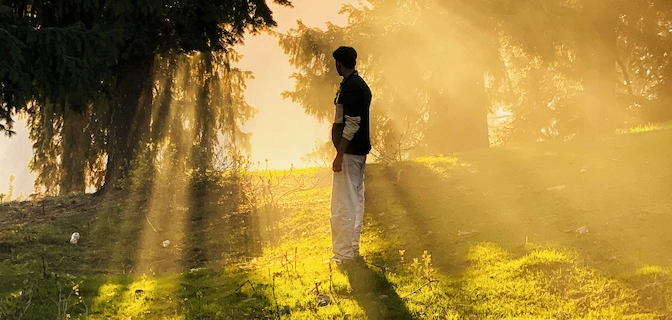
Depression treatment Scottsdale AZ: a man stands outdoors in warm sunlight streaming through trees

Seek Professional Depression Treatment Scottsdale AZ: Care at Scottsdale TMS

If you’ve been hoping emotional distress will pass on its own, this may be the moment to seek professional depression treatment. Scottsdale TMS offers depression treatment Scottsdale AZ adults can begin without a referral. At 7287 E Earll Drive, Suite 1, the clinic puts TMS, Spravato, and psychiatric medication management under one roof, with care in English and Spanish.

Your first visit is a 60-minute evaluation with a licensed medical provider. You’ll meet a team that includes Dr. Michael Vines, a psychiatrist and Medical Director with more than 25 years of practice, plus board-certified psychiatric nurse practitioners and master’s-level licensed counselors.

Scottsdale TMS is in-network with all BCBS plans and nearly all major plans, except the UHC AHCCCS plan. Staff verify your benefits and handle prior authorization at no cost to you, and the private-pay initial consultation is $200.

Frequently Asked Questions

How long does a TMS course last?

Most TMS courses run 30 to 36 sessions, usually five days a week. Each session takes about 20 to 30 minutes, and you stay awake and alert the whole time. Your provider tracks your progress along the way and adjusts the protocol if something isn't working.

What are the side effects of TMS?

Mild scalp discomfort and headaches are the most common side effects, and they typically fade quickly. TMS involves no surgery or anesthesia, so most people get back to their day right after a session. If something feels off, tell your provider so they can adjust your treatment.

How much does TMS cost in Scottsdale?

A full TMS course in Scottsdale typically costs between $2,000 and $15,000, depending on the number of sessions, the protocol, and your coverage. In-house financing is available for qualifying patients, and you can ask the team for a personalized quote.

How often are Spravato sessions?

Spravato is typically given in one or two supervised sessions a week, based on a personalized plan. Because it's a prescription nasal spray, each dose is delivered under medical supervision. Your provider sets the exact schedule after reviewing your history and symptoms.

What should I bring to my first visit?

Bring a photo ID, your insurance card or cards, and any medical records you have. If you're planning to walk in, calling ahead when you can lets the team prepare for you. Your records give the provider a fuller picture of your history from the start.
Circle Blog Img at Scottsdale TMS and Spravato
About the Author
Dr. Michael Vines

Dr. Vines has practiced psychiatry in Arizona for for over 25 years and has experience working with diverse populations that include children, adolescents, adults, geriatrics, SMI patients, and the chemically dependent. 

Take the First Step Toward Lasting Relief
Circle Blog Img at Scottsdale TMS and Spravato
Dr. Michael Vines

October 5, 2026