About 1 in 40 American adults will live with obsessive-compulsive disorder (OCD) at some point in their lives, and roughly half of them will experience symptoms severe enough to disrupt work, relationships, and daily routines. If you’re checking the stove for the fifth time tonight, or you can’t shake a thought that won’t leave you alone, you’re not broken. You’re dealing with a recognized medical condition — and it responds well to the right care.
A psychiatrist who treats obsessive-compulsive disorder does more than hand out prescriptions. They diagnose the condition, rule out overlapping anxiety disorders, and build a treatment plan tailored to how your OCD symptoms actually show up.
Some people repeatedly check locks or appliances. Others get stuck on intrusive thought patterns around contamination, harm, or symmetry. No two presentations look identical, which is exactly why a psychiatrist trained in OCD — not just general anxiety — matters so much here.
An obsessive-compulsive disorder therapist typically works alongside a psychiatrist, splitting the clinical and therapeutic sides of care. The psychiatrist handles medication management, while the therapist runs structured sessions. Together, they address both the biology and the behavior that drive the disorder.
Diagnosis starts with a conversation — not a checklist. A psychiatrist will ask about your obsessions and compulsions, how long they’ve been happening, and how much time they eat out of your day. That last part matters clinically; it’s often what separates OCD from ordinary worry.
From there, effective treatment usually combines two approaches. The first is medication, often an SSRI, which can turn down the volume on obsessive thoughts. The second is behavioral therapy, specifically exposure and response prevention (ERP) — widely considered the gold standard, evidence-based approach for people with ocd.
ERP works by gradually facing the situations that trigger obsessions, without performing the usual compulsion in response. It sounds uncomfortable because it is, at least at first. But it’s also how the brain relearns that the feared outcome isn’t as likely — or as unbearable — as OCD insists it is.
Searching “ocd psychiatrist near me” pulls up a long list, but not every provider on it specializes in OCD specifically. Ask directly whether a candidate has training in cognitive behavioral therapy cbt and ERP protocols. General anxiety treatment isn’t the same skill set, and mismatched care can slow progress or stall it entirely.
Arizona has growing options for this kind of specialized treatment, particularly around Mesa, Arizona, and the greater Phoenix area, where several practices focus specifically on OCD and related mental health conditions. Location matters less than fit, though. A psychiatrist who listens carefully and explains their reasoning will usually serve you better than one who’s simply closer to home.
OCD rarely stays contained to one person. Family members often get pulled into rituals — reassurance-seeking, checking behaviors, or avoidance patterns that spread across a household without anyone quite noticing how it happened.
Many treatment programs now involve family sessions directly, teaching relatives how to stop accommodating compulsions in ways that unintentionally reinforce them. Support groups can help too, giving both patients and their families a place to compare notes with people who understand the daily reality of living with OCD, not just the textbook version of it.
At Scottsdale TMS, treatment for OCD goes beyond a single conversation or a prescription pad. The team works with patients to identify the specific patterns driving their OCD symptoms, then builds a plan around proven methods — including ERP, CBT, and medication management when it’s appropriate.
If obsessive thoughts or compulsive rituals have started shaping your days, or a loved one’s, reaching out is worth it. OCD responds to treatment. The sooner that treatment starts, the sooner daily life starts feeling like yours again.
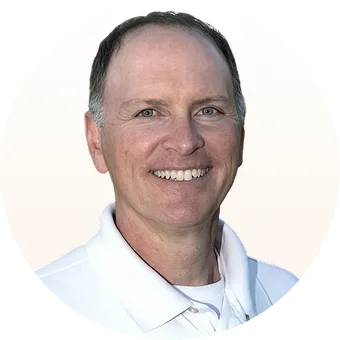
Dr. Vines has practiced psychiatry in Arizona for for over 25 years and has experience working with diverse populations that include children, adolescents, adults, geriatrics, SMI patients, and the chemically dependent.
September 11, 2026