
TMS and Spravato are both used for depression that has not improved with antidepressants, but they work in very different ways. TMS is a medication-free treatment that uses magnetic pulses, with short daily visits and no downtime. Spravato is a nasal spray medication taken in our office under supervision, paired with an oral antidepressant, and it can ease symptoms within days. The better choice depends on how quickly you need relief, how you feel about medication, your medical history, and what your week allows.
We offer both treatments at Scottsdale TMS & Spravato, so our psychiatric providers can recommend the one that fits you rather than the one they happen to provide. Here is how they compare.
Both treatments are for adults, and we treat patients 18 and older.
Almost every other difference comes from this one. TMS therapy stimulates the mood-regulating area of the brain with magnetic pulses. Nothing is swallowed or injected, so it does not interact with the medications you already take and avoids side effects such as weight gain or drowsiness. It is FDA-cleared because the FDA classifies it as a device.
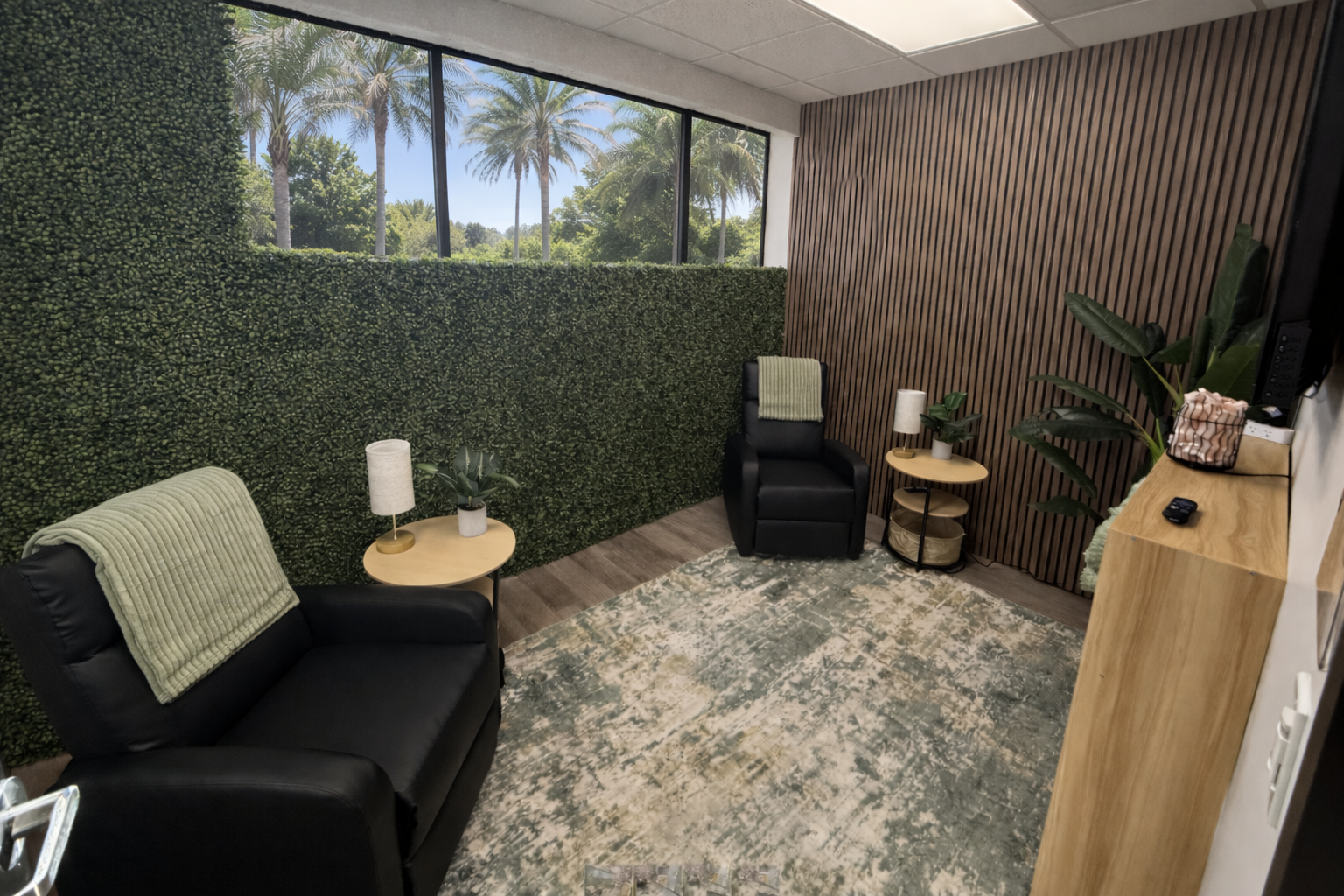
Spravato is a medication related to ketamine. It acts on a different brain chemical system than traditional antidepressants, which is part of why it can help people those drugs did not. Because it can briefly change how you feel and perceive things, it may only be given in a certified office with trained staff watching over you.
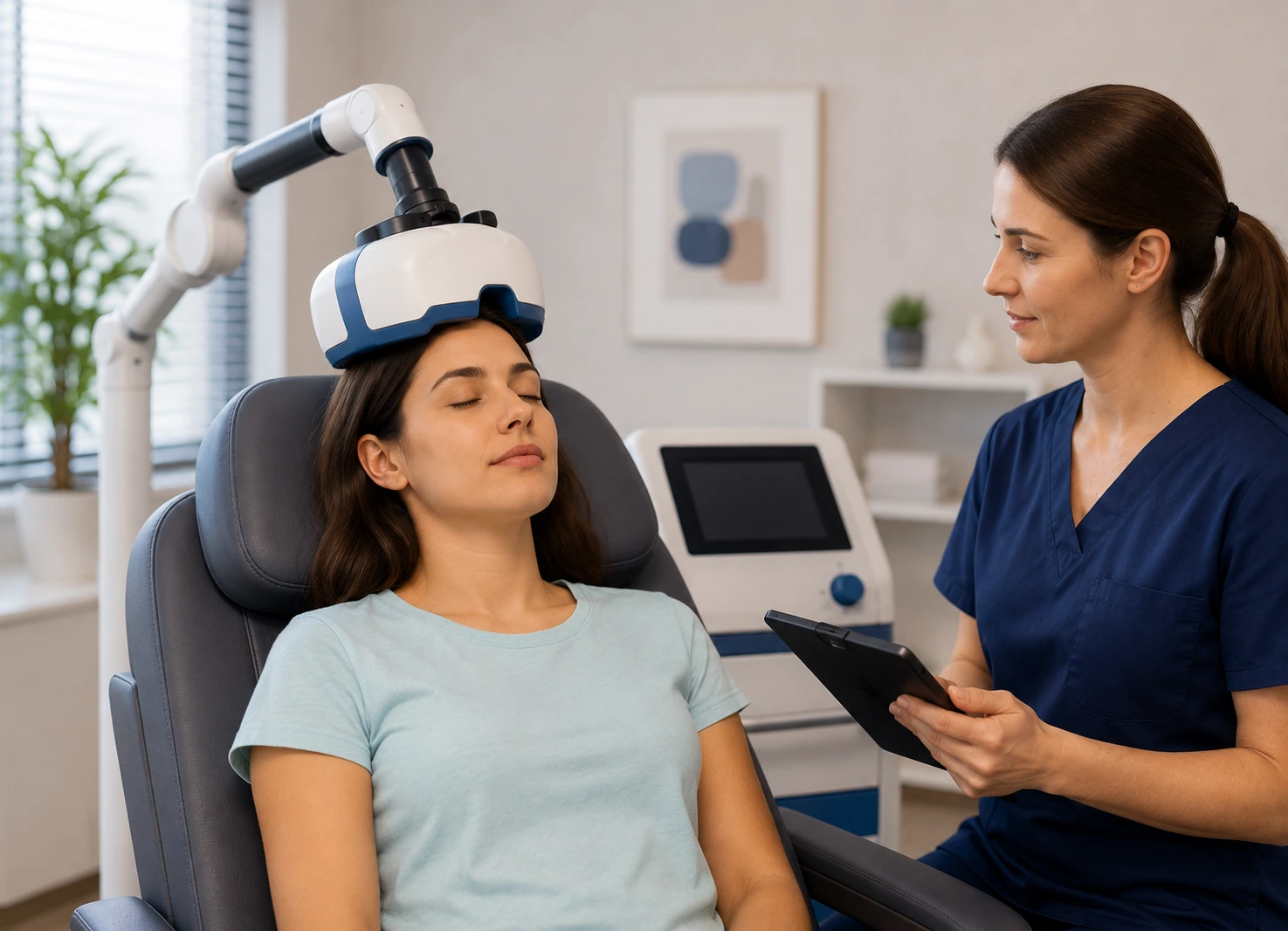
TMS: side effects tend to be mild and local, such as scalp tenderness where the coil rests, a mild headache, or brief twitching of the facial muscles during a session. They usually fade within the first week or two. There is no sedation and no recovery time, so you can go straight back to work or school.
Spravato: side effects are more noticeable but short-lived. The most common are a detached or dreamlike feeling, dizziness, nausea, sleepiness and a temporary rise in blood pressure. They peak shortly after the dose and fade during the monitoring period, while our team checks on you and your blood pressure. Many patients find these effects become milder as treatment continues.
This is often the most practical deciding factor:
Spravato can ease depressive symptoms within days, and some patients notice a change within hours of their first doses. Standard TMS works more gradually: small changes in sleep or energy often show in the first two weeks, with clearer mood improvement between weeks three and six. The SAINT protocol closes that gap, with many patients improving within days.
Results also last differently. A full TMS course is a defined treatment, and many patients stay well for months or longer, with a repeat course or maintenance sessions if symptoms return. Spravato is usually continued as ongoing maintenance, with visits spaced further apart as you stabilize.
Your medical history matters too. Metal implants in or near the head or a history of seizures can rule out TMS. Certain blood vessel conditions, uncontrolled high blood pressure or a history of substance misuse can rule out Spravato. Our providers review all of this at your evaluation, and many patients qualify for both.
Yes. Some patients start with one treatment and later move to the other, and others use both at different points in their care. Because both are offered under one roof, a change in plan does not mean a new provider or starting over. Ongoing medication management is part of Spravato care and is available to TMS patients as well.
There is no single winner between TMS and Spravato. If speed matters most, Spravato or SAINT TMS is worth discussing first. If you want to avoid medication and stay fully independent, standard TMS is a strong choice. Our psychiatric providers will look at your history, your goals and your schedule, then recommend the option that fits, in English or Spanish. You can check your insurance coverage, read more about how we treat depression, or meet our team before your visit.